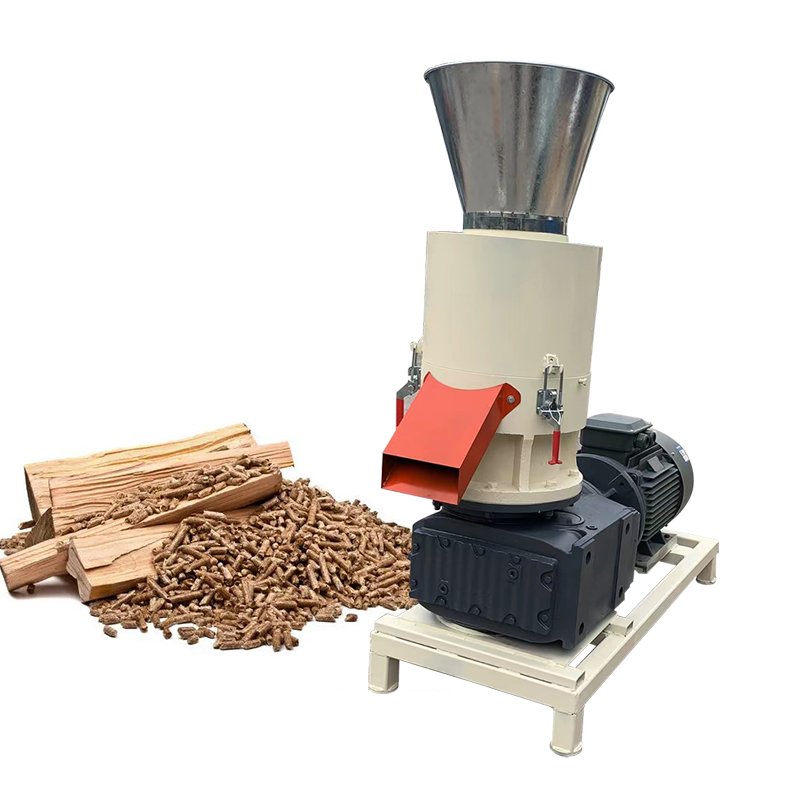
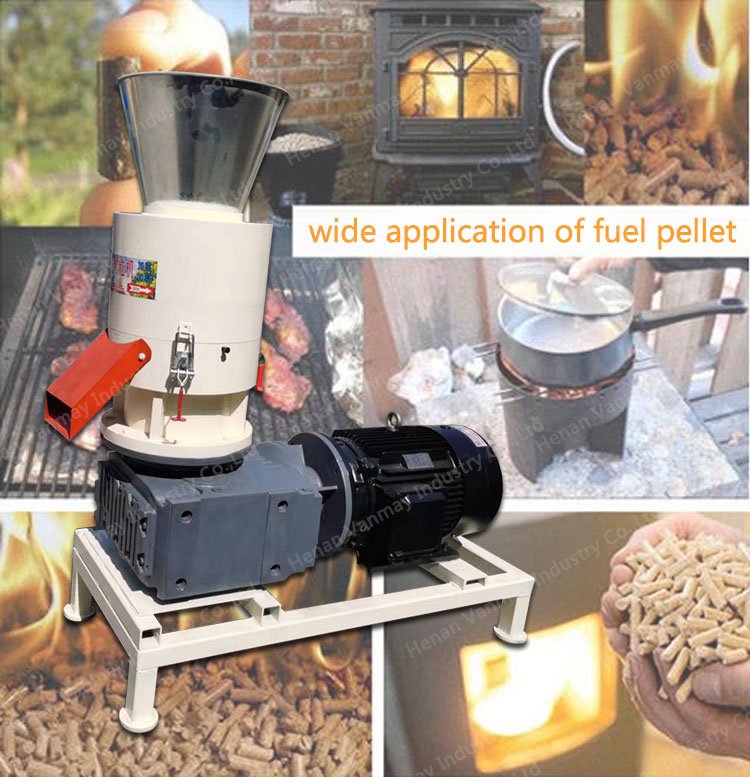
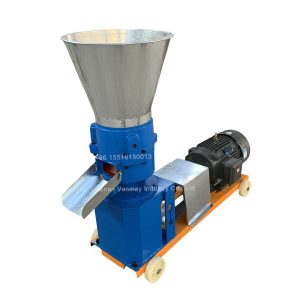
In today’s world, where sustainability and efficiency are paramount, wood pellet machines have emerged as an innovative solution for biomass processing. These machines convert wood waste, agricultural residues, and other organic materials into compact, high-energy pellets. Whether for home heating, industrial use, or commercial fuel production, wood pellet machines offer numerous benefits. Here’s why investing in a wood pellet machine is a smart choice.
1. Eco-Friendly and Sustainable
Wood pellet machines support green energy by transforming waste materials into valuable fuel. Unlike fossil fuels, wood pellets are carbon-neutral, meaning they release only the amount of CO₂ absorbed by the trees during growth. By recycling sawdust, wood chips, and crop residues, these machines help reduce landfill waste and deforestation.
2. Cost-Effective Energy Production
Producing your own wood pellets can significantly cut energy costs. Instead of relying on expensive fossil fuels or electricity, users can create affordable, high-efficiency fuel from readily available biomass. Over time, this leads to substantial savings, especially for households and businesses with high energy demands.
3. High Energy Efficiency
Wood pellets have a high energy density, meaning they burn longer and hotter than raw biomass. Pellet machines compress materials into uniform shapes, ensuring consistent combustion and maximum heat output. This efficiency makes pellets ideal for heating systems, power plants, and even animal bedding.
4. Versatile Applications
Wood pellet machines can process various raw materials, including:
Pellets are compact, dry, and uniform in size, making them easy to store and transport compared to loose biomass. Their low moisture content prevents mold and degradation, ensuring long shelf life. This convenience is especially beneficial for large-scale producers and distributors.
6. Supports Local Economies
Investing in a wood pellet machine encourages local biomass utilization, reducing dependence on imported fuels. Small businesses and farmers can generate additional income by selling excess pellets, while industries can lower operational costs by using locally sourced fuel.
For the modern small-scale farmer, efficiency and versatility aren't just luxuries—they’re the keys to sustainability and profitability. Enter the multi-purpose Silage Chopper Combined Grain Grinder Machine, a game-changing piece of equipment des...
The advantages of feed pellet machine include: 3. Improve food safety: The high-temperature tempering in the granulation process can kill harmful substances such as Salmonella and improve food safety. 4. Convenient storage and transpor...
For small-scale farmers, optimizing feed efficiency and animal health is crucial for sustainable and profitable operations. Feed pellet machines offer numerous advantages, especially when combined with well-balanced feed formulations for poultry,...
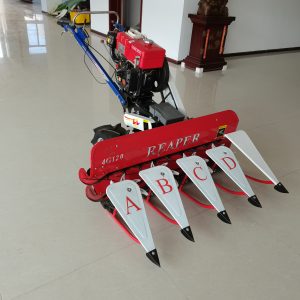
As an important equipment in agricultural production, rice reaper harvester plays a very important role in rice/wheat/paddy harvesting. Due to the long-term use and the wear of mechanical parts, rice reaper harvesters often have various failures ...
This website uses cookies to improve your browsing experience. By continuing to use this site, you accept the use of our cookies. Data collected from this website is processed and stored in the United States.
 vmagromachine
HelloPlease log in