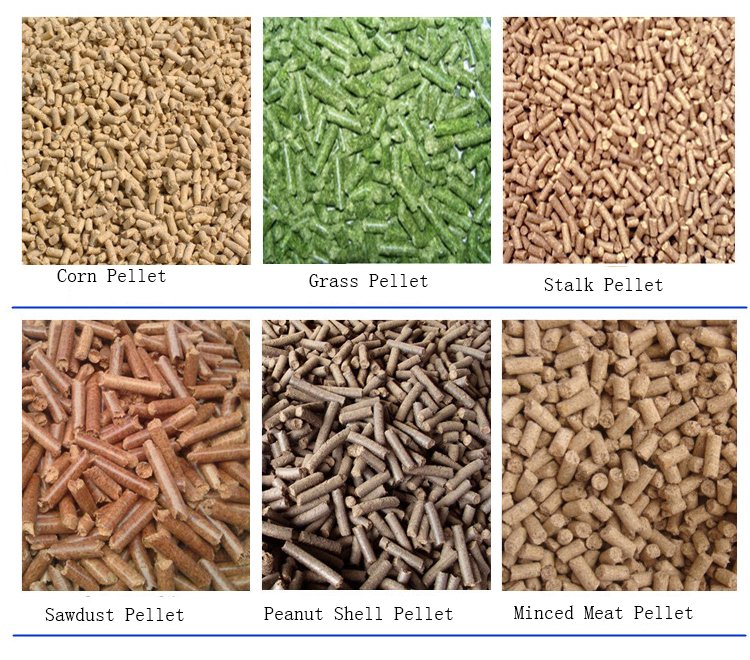
Feed pellets are a convenient and nutritious option for livestock, poultry, and aquaculture. They ensure balanced nutrition, reduce waste, and improve digestion. Below are some common feed pellet formulas used in animal farming.
1. Broiler Chicken Feed Pellet Formula
Corn: 50%
Soybean meal: 30%
Wheat bran: 10%
Fish meal: 5%
Calcium carbonate: 2%
Premix (vitamins & minerals): 3%
Benefits: Promotes fast growth and muscle development.
2. Pig Grower Feed Pellet Formula
Corn: 55%
Soybean meal: 25%
Wheat bran: 12%
Fish meal: 4%
Dicalcium phosphate: 2%
Salt & premix: 2%
Benefits: Supports weight gain and digestive health.
3. Cattle Feed Pellet Formula
Corn silage: 40%
Alfalfa meal: 25%
Barley: 20%
Cottonseed meal: 10%
Molasses: 3%
Mineral mix: 2%
Benefits: Enhances milk production and energy levels.
4. Fish Feed Pellet Formula
Fish meal: 35%
Soybean meal: 25%
Wheat flour: 20%
Rice bran: 15%
Fish oil: 3%
Vitamin-mineral premix: 2%
Benefits: Improves protein intake and growth rate.
Conclusion
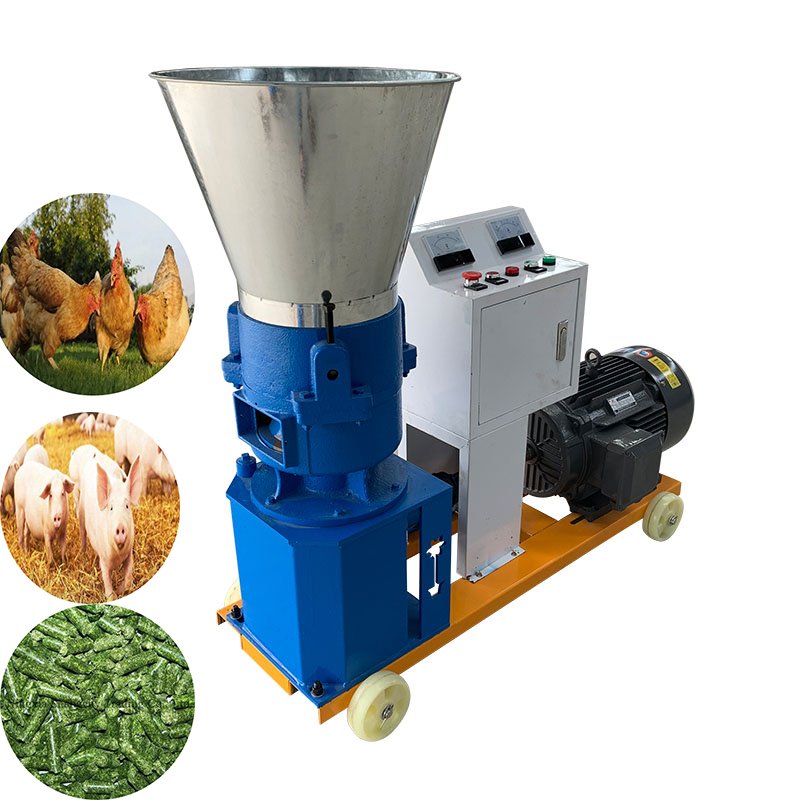
Using the right feed pellet formula ensures optimal animal health and productivity. Adjust ingredients based on nutritional needs and local availability. For high-quality pellet production, consider using a reliable feed pellet machine.
In today's fast-paced world, more people are turning to homemade and natural food options. A flour mill (or grain mill) is an excellent investment for health-conscious individuals, bakers, and anyone who values fresh, high-quality ingredients. He...
We are thrilled to announce the successful export of 80 feed pellet machines to Malaysia, marking another milestone in our global expansion. This shipment underscores our commitment to delivering high-quality feed processing equipment to custome...
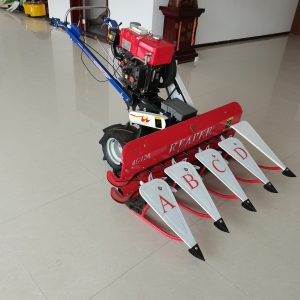
According to statistics of export data, a large quantity of the rice and wheat reaper harvester machine exported by China every year are exported to Indian countries. Why are rice and wheat reaper harvester so popular among Indian customers? ...
Why This Shipment Matters: · Enhanced Self-Sufficiency: By increasing local feed production capacity, Saudi Arabia reduces its reliance on imported feed, strengthening supply chain resilience.· Superior Feed Quality: These machines produce comp...
This website uses cookies to improve your browsing experience. By continuing to use this site, you accept the use of our cookies. Data collected from this website is processed and stored in the United States.
 vmagromachine

HelloPlease log in