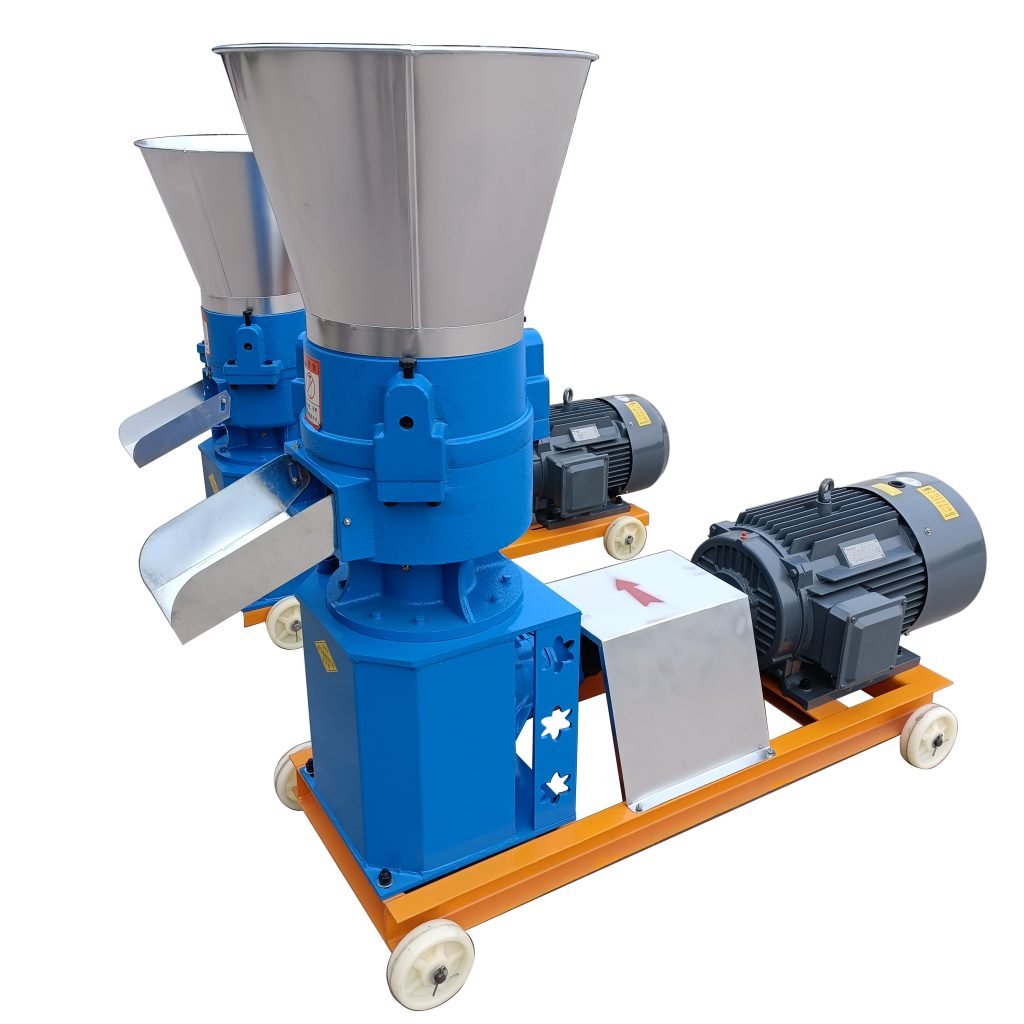
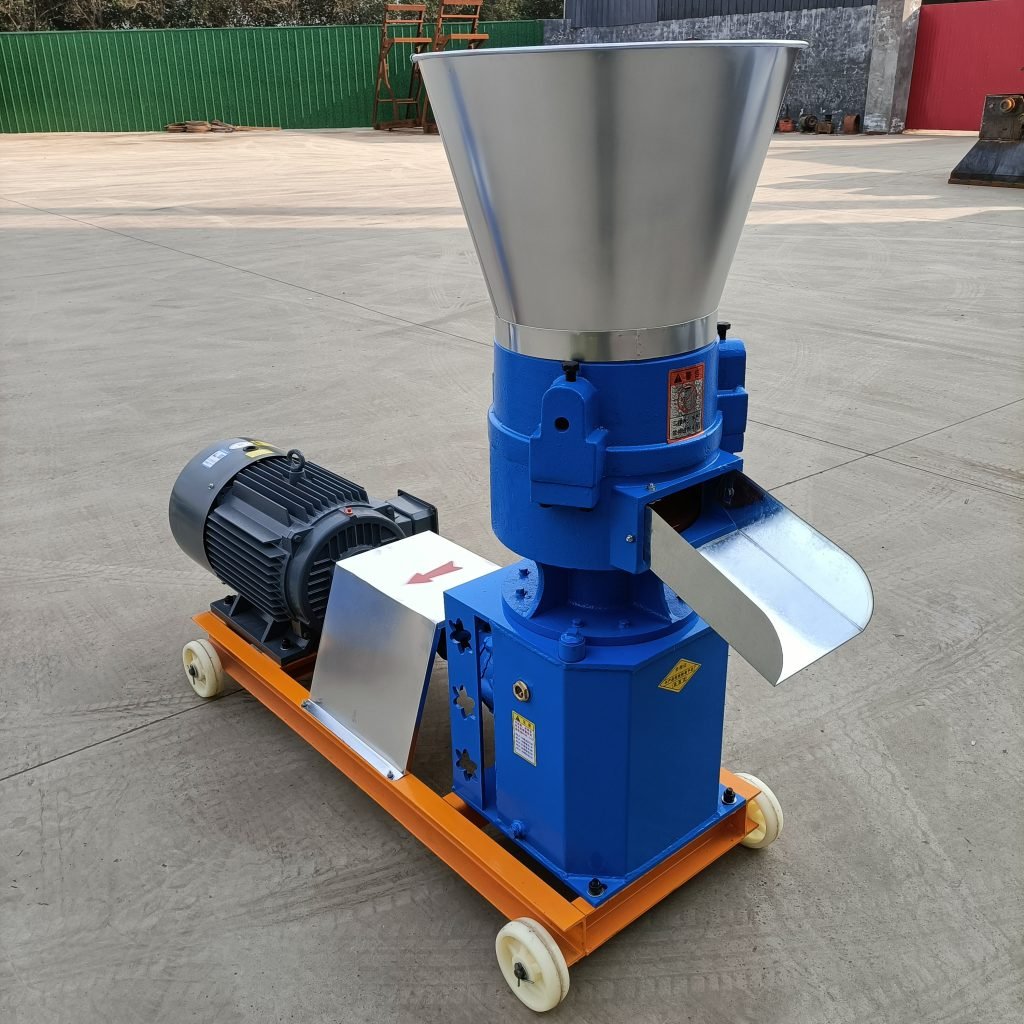
A comprehensive guide to feed pellet machine’s maintenance combines common troubleshooting methods and preventive maintenance measures to help you ensure the efficient and stable operation of the equipment.
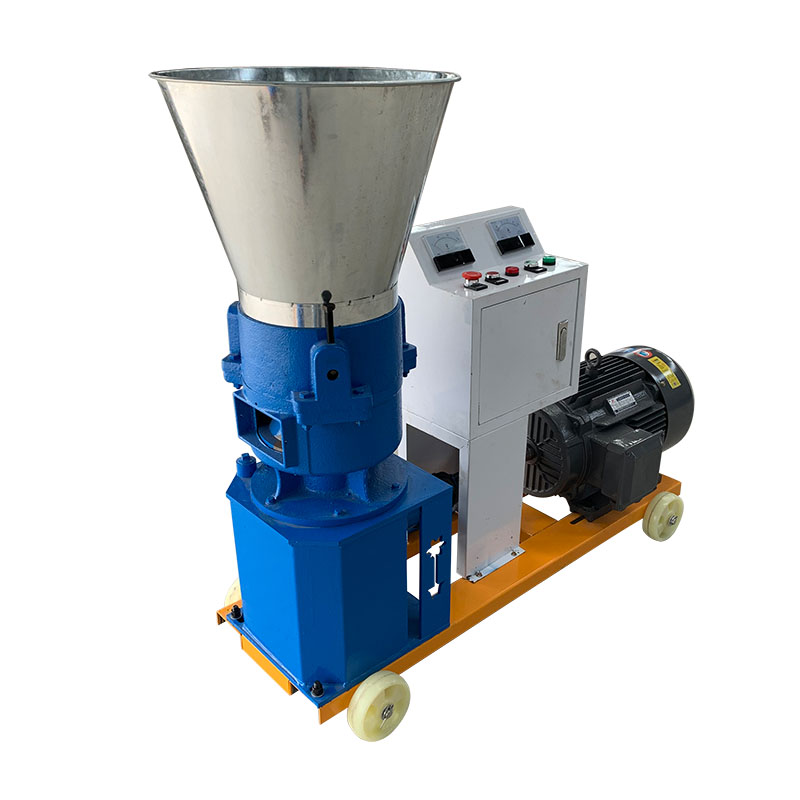
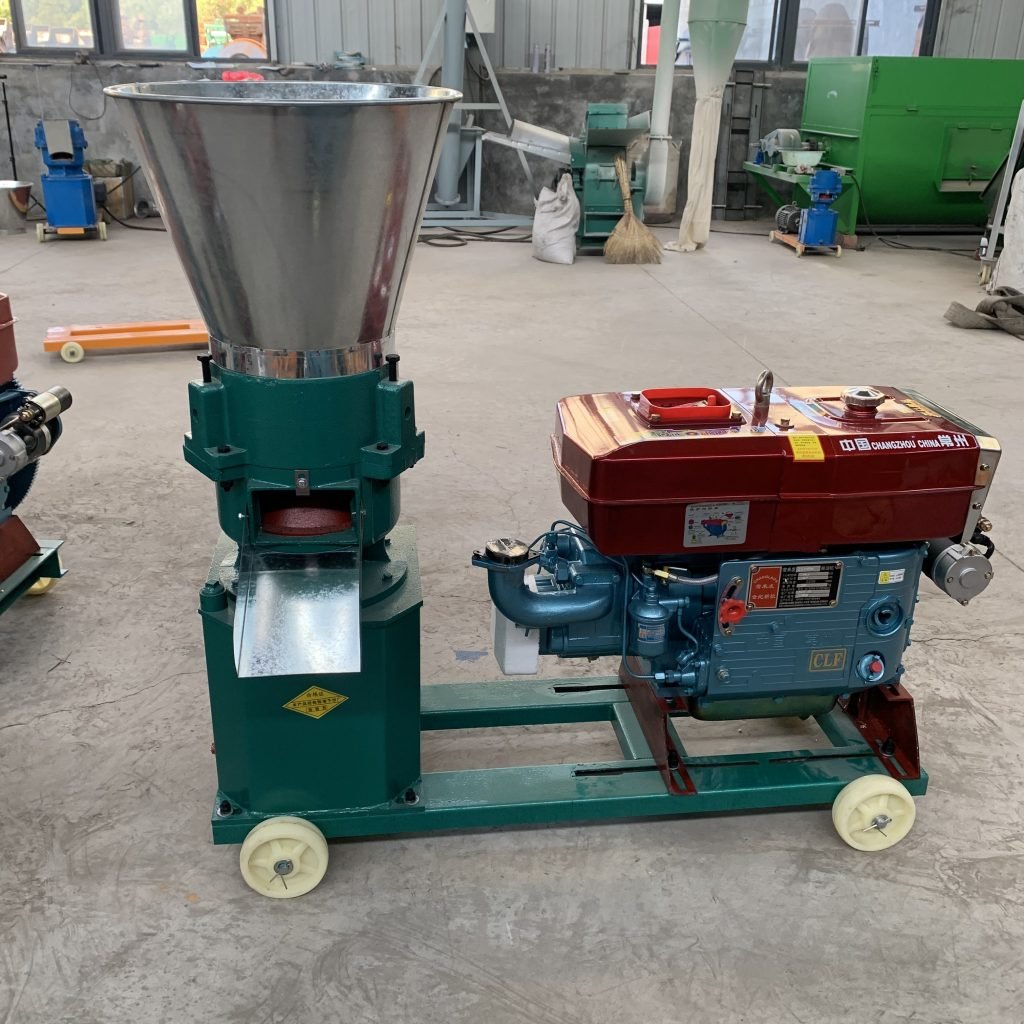
Good Feed Pellet Machine
A, Daily Inspection and Preparation before Starting Before starting the equipment every time, a quick check can avoid many potential problems:
Power supply and circuit inspection: ensure that the power supply voltage is stable, the socket is firmly connected, and the switch is on. Check the motor, wiring and control system for aging or poor contact.
Lubrication system inspection: check whether the lubricating oil in key parts such as bearings, gears and rollers is sufficient and the oil quality is good. This is the key to reduce wear and prevent overheating.
Fastener inspection: Make sure that all bolts and connectors (especially the fixing screws of molds and rollers) are firmly tightened, so as to prevent vibration or failure caused by looseness during operation.
Cleaning of feeding system: clean the feeding port to ensure that no hard impurities such as nails and stones enter the raw materials to avoid damaging the mold.
B, The Monitoring and Maintenance in Operation During the operation of the equipment, it is necessary to pay close attention to its working state:
Temperature monitoring: the temperature control system is used to monitor the temperature of the motor and key components in real time to prevent the failure caused by overheating. If the temperature rises abnormally, stop the machine immediately for inspection.
Noise and vibration detection: pay attention to the sound when the equipment is running. Abnormal noise or violent vibration may indicate bearing wear, transmission system problems or loose parts, which need to be dealt with in time.
Raw material moisture control: keep raw material moisture between 13% and 15%. Too high or too low moisture will affect the molding effect of particles and the normal operation of equipment.
Parameter adjustment: according to the actual production situation, reasonably adjust the feeding speed, roller pressure and other parameters to ensure the equipment to run under the best working conditions.
C. Cleaning and Maintenance after Shutdown Timely cleaning and maintenance after production can effectively prolong the service life of equipment;
Thoroughly clean the equipment: use high-pressure air or special tools to clean the dust and residues in the mold, roller, transmission part and fuselage to prevent their accumulation from affecting the next production or causing blockage.
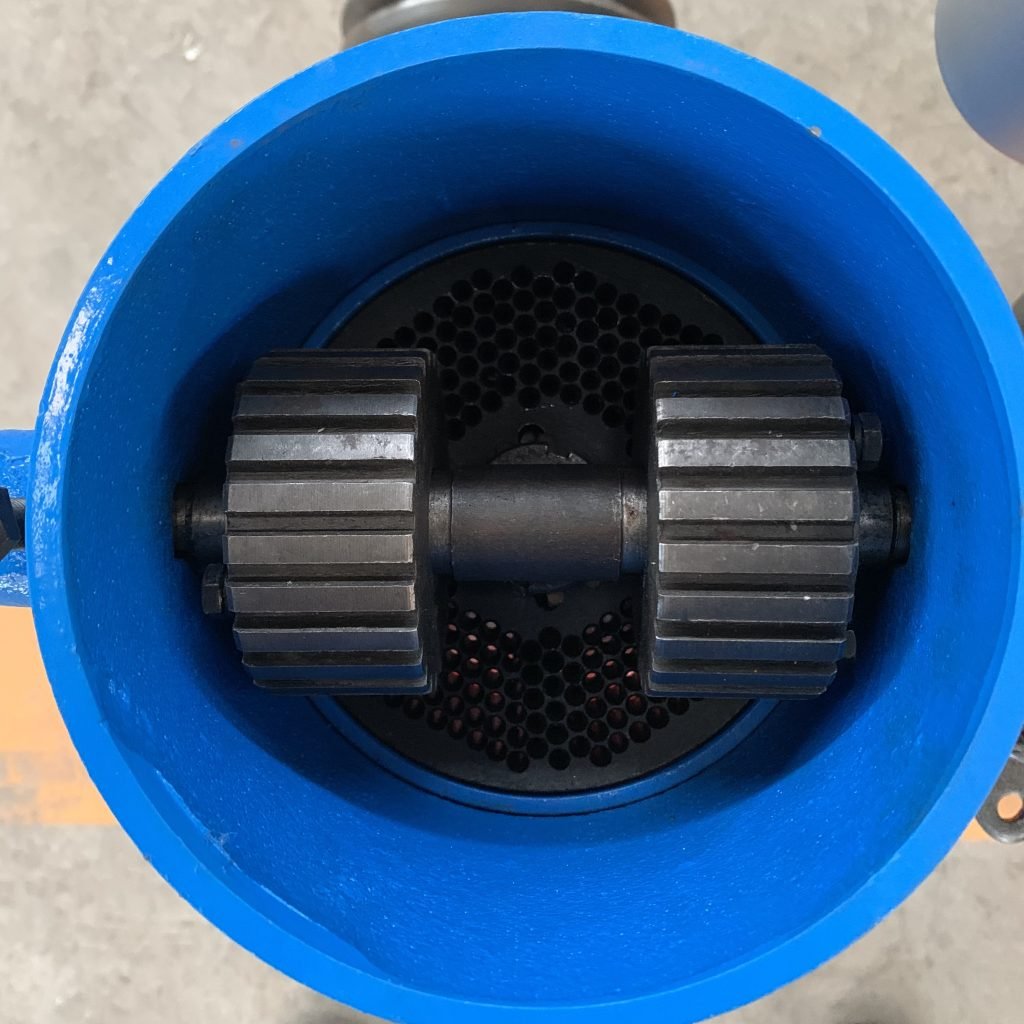
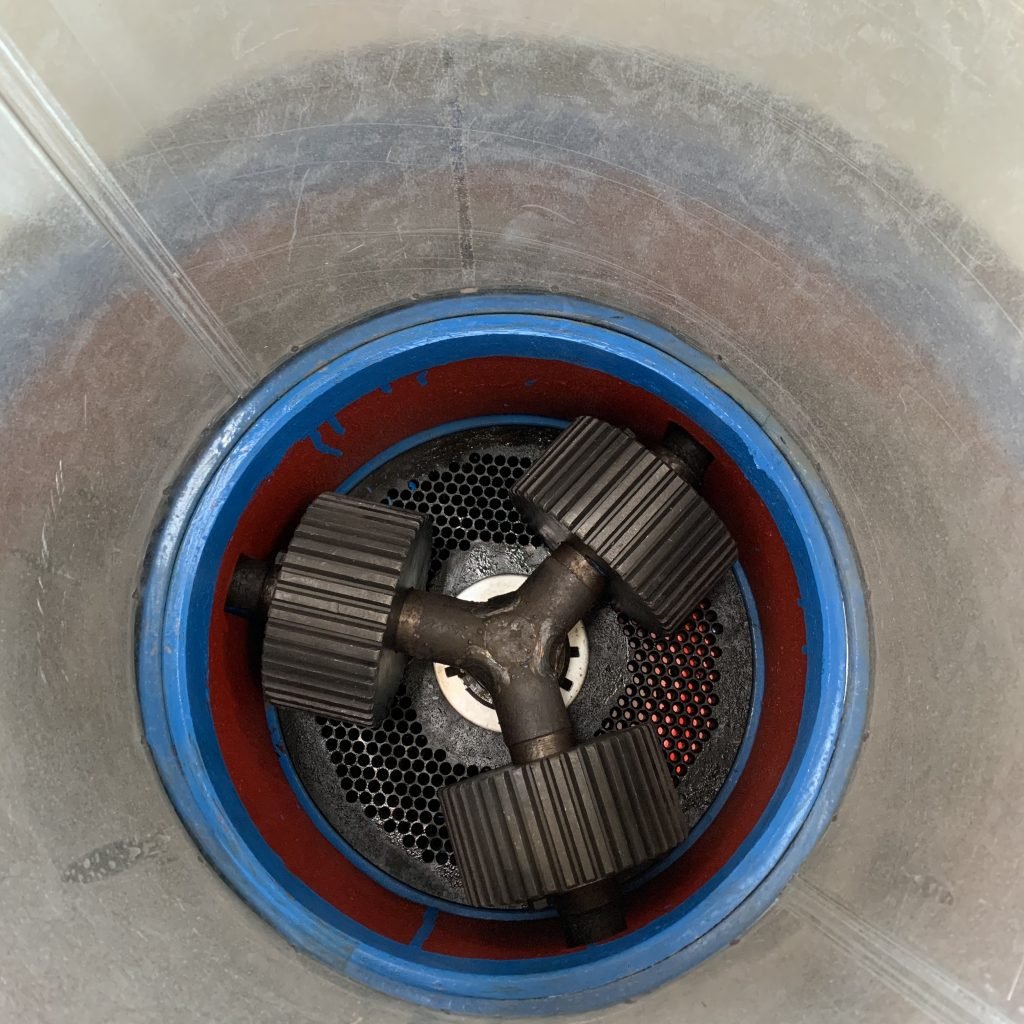
Check the wear condition: regularly check the wear degree of vulnerable parts such as molds, rollers and bearings. Once serious wear is found, it should be replaced in time to ensure particle quality and production efficiency.
Lubrication maintenance: supplement or replace grease for moving parts such as bearings. It is recommended to inject oil once every two weeks, and select high-temperature wear-resistant grease suitable for working conditions.
D, Regular Maintenance Plan In addition to routine maintenance, regular comprehensive overhaul is essential:
Comprehensive overhaul: it is recommended to carry out a comprehensive overhaul every 1000 hours of operation or according to the frequency of equipment use. Check all key components, and clean, adjust or replace them to ensure that the equipment is in the best condition.
Maintenance of key components: Press roller and mold: check the gap regularly and adjust or replace it according to the wear condition.
Belt and transmission system: check whether the tension of V-belt or synchronous belt is appropriate, whether it is worn or aging, and replace it in groups if necessary.
Electric control system: keep the electric control cabinet dry and clean, and check the internal components regularly.
We are thrilled to announce the successful export of 200 sets of multi-functional thresher machines to Malawi, marking a significant milestone in our mission to support agricultural efficiency and mechanization in Africa. Malawi’s economy heav...
For small-scale farmers, optimizing feed efficiency and animal health is crucial for sustainable and profitable operations. Feed pellet machines offer numerous advantages, especially when combined with well-balanced feed formulations for poultry,...
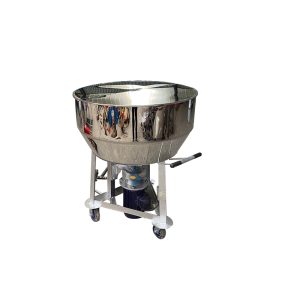
Advantages of feed flat mixer: Mixing Effect: The flat mouth design enables the materials to be mixed more evenly during the mixing process, which improves the mixing efficiency. Simple Operation: the operation of the flat-mouth mixer is ...
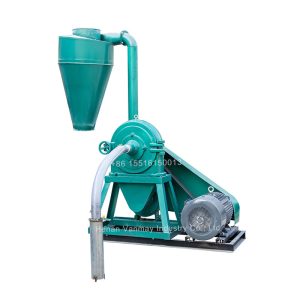
Our Vanmay Disc Grinder Mill Machine is mainly and widely used for grinding wheat, rice, corn, sorghum, beans and etc... to be fine flour as customers' required sizes. Disc Grinder Mill Machine from Vanmay Industry ...
This website uses cookies to improve your browsing experience. By continuing to use this site, you accept the use of our cookies. Data collected from this website is processed and stored in the United States.
 vmagromachine
HelloPlease log in